
Description
Junar Fruit Plant: 9 Amazing Benefits & Growing Guide
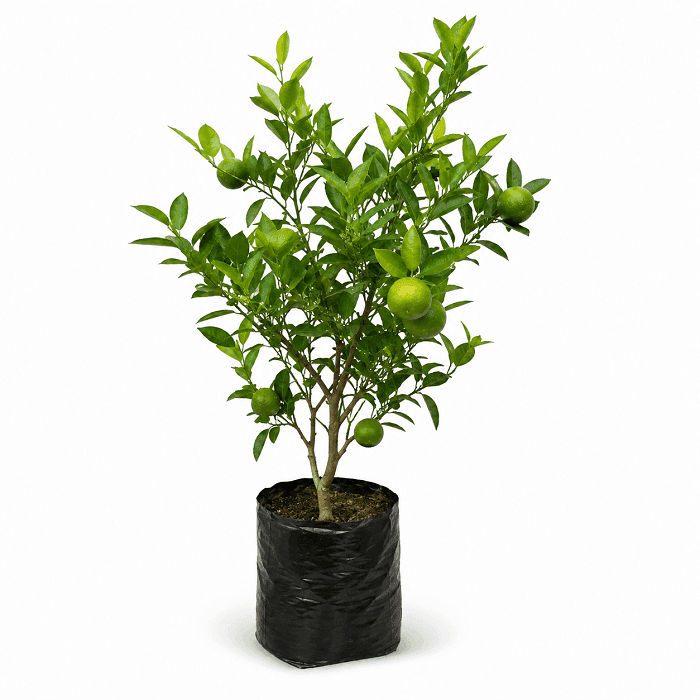
Growing your own citrus tree is one of the most rewarding experiences for every gardener. If you are searching for a healthy, productive, and fragrant fruit tree, the Junar Fruit Plant is an excellent choice. Known for its sweet, juicy fruits and attractive evergreen foliage, the Junar Fruit Plant has become increasingly popular among home gardeners, commercial growers, and exotic plant collectors throughout Nepal.
At Plant Nepal, we proudly supply premium-quality Junar Fruit Plant saplings that are carefully selected for healthy growth, excellent fruit production, and high survival rates. Whether you have a home garden, rooftop farm, terrace, orchard, or hobby garden, our healthy plants are ready to thrive in Nepal’s diverse climate.
Our expert team also provides consultation services, helping customers successfully grow rare and exotic plants from planting to harvest.
Buy Premium Junar Fruit Plant in Nepal
Plant Nepal specializes in delivering premium-quality exotic, rare, and special fruit plants across Nepal. Every Junar Fruit Plant is carefully packed using professional plant packaging techniques to ensure it arrives healthy and ready for planting.
Whether you live in Kathmandu, Pokhara, Chitwan, Butwal, Dharan, Nepalgunj, Biratnagar, or any remote district, we deliver safely to your doorstep.
Why Choose Plant Nepal?
✔ Premium healthy nursery plants
✔ Carefully selected fruit varieties
✔ Expert consultation before and after purchase
✔ Safe packaging
✔ Delivery throughout Nepal
✔ Trusted by plant lovers and hobby gardeners
✔ Affordable pricing
✔ Excellent customer support
The Junar Fruit Plant you receive from Plant Nepal is grown with proper care to maximize its establishment and long-term productivity.
What is a Junar Fruit Plant?
The Junar Fruit Plant is a sweet citrus fruit tree scientifically classified as Citrus sinensis. In Nepal, Junar is one of the most loved citrus fruits because of its sweet taste, refreshing aroma, juicy flesh, and excellent nutritional value.
Junar resembles an orange but is often considered sweeter with a pleasant balance between sweetness and acidity. It belongs to the Rutaceae family and is cultivated extensively in Nepal’s mid-hill regions.
Unlike many seasonal fruits, a healthy Junar Fruit Plant can provide delicious fruits for many years when grown under proper conditions.
Besides fruit production, the tree also adds ornamental beauty to gardens with its glossy evergreen leaves, fragrant white flowers, and attractive orange-colored fruits.
Botanical Information
| Feature | Description |
|---|---|
| Botanical Name | Citrus sinensis |
| Common Name | Junar |
| English Name | Sweet Orange |
| Plant Type | Evergreen Fruit Tree |
| Family | Rutaceae |
| Growth Habit | Medium-sized tree |
| Mature Height | 3–8 meters |
| Flower Color | White |
| Fruit Color | Orange |
| Fruit Taste | Sweet and Juicy |
| Sunlight | Full Sun |
| Water Requirement | Moderate |
| Difficulty | Easy |
Origin of Junar Fruit Plant
The Junar Fruit Plant originates from ancient citrus-growing regions of Asia. Citrus fruits have been cultivated for thousands of years and later spread across the world because of their exceptional flavor and nutritional value.
Nepal has become well known for producing delicious Junar, especially in hilly regions where favorable temperatures, fertile soil, and seasonal rainfall create ideal growing conditions.
Today, many home gardeners are successfully cultivating the Junar Fruit Plant in home gardens, terraces, farms, and orchards.
Why Every Garden Should Have a Junar Fruit Plant
Adding a Junar Fruit Plant to your garden provides much more than delicious fruit.
It offers:
- Beautiful evergreen foliage throughout the year
- Pleasant citrus fragrance during flowering
- Nutritious fruits for the entire family
- Shade for small gardens
- Pollinator-friendly flowers
- Long productive lifespan
- Excellent value for home gardening
Whether you’re a beginner or an experienced gardener, the Junar Fruit Plant is relatively easy to maintain and highly rewarding.
9 Amazing Benefits of Junar Fruit Plant
1. Rich Source of Vitamin C
One of the greatest advantages of the Junar Fruit Plant is its highly nutritious fruits.
Junar fruits are naturally rich in Vitamin C, which supports:
- Healthy immune function
- Collagen production
- Healthy skin
- Faster wound healing
- Better iron absorption
- Protection against oxidative stress
Regular consumption of fresh Junar can become a valuable part of a balanced diet.
2. Naturally Beautiful Ornamental Tree
The Junar Fruit Plant is not only cultivated for fruit production but also admired for its ornamental beauty.
Its features include:
- Glossy green leaves
- Elegant branching
- Fragrant white blossoms
- Bright orange fruits
- Attractive canopy
Many homeowners plant it as both a fruit tree and a decorative landscape feature, making it an excellent addition to front yards, courtyards, and gardens.
3. Excellent for Home Gardening
One of the reasons the Junar Fruit Plant is becoming increasingly popular in Nepal is its adaptability to home gardens.
It performs well in:
- Kitchen gardens
- Rooftop gardens (large containers)
- Backyard orchards
- Organic farms
- Hobby gardens
With proper sunlight and regular care, gardeners can enjoy fresh citrus fruits directly from their own trees.
4. Long-Term Fruit Production
Unlike seasonal vegetables, a healthy Junar Fruit Plant can continue producing fruits for many years.
Once established, the tree rewards gardeners with annual harvests, making it a long-term investment for both home use and small-scale commercial cultivation.
Good management practices such as watering, fertilizing, pruning, and pest monitoring help maintain consistent fruit production year after year.
Ideal Climate for Junar Fruit Plant
The Junar Fruit Plant grows best in warm subtropical to mild temperate climates. Nepal offers excellent conditions for cultivating this citrus tree, particularly in areas with abundant sunlight and well-drained soil.
Ideal conditions include:
- Full sunlight for at least 6–8 hours daily
- Moderate humidity
- Good air circulation
- Protection from severe frost
- Well-drained fertile soil
- Mild winter temperatures
Gardeners in many regions of Nepal can successfully grow the Junar Fruit Plant with proper seasonal care and maintenance.
Soil Requirements
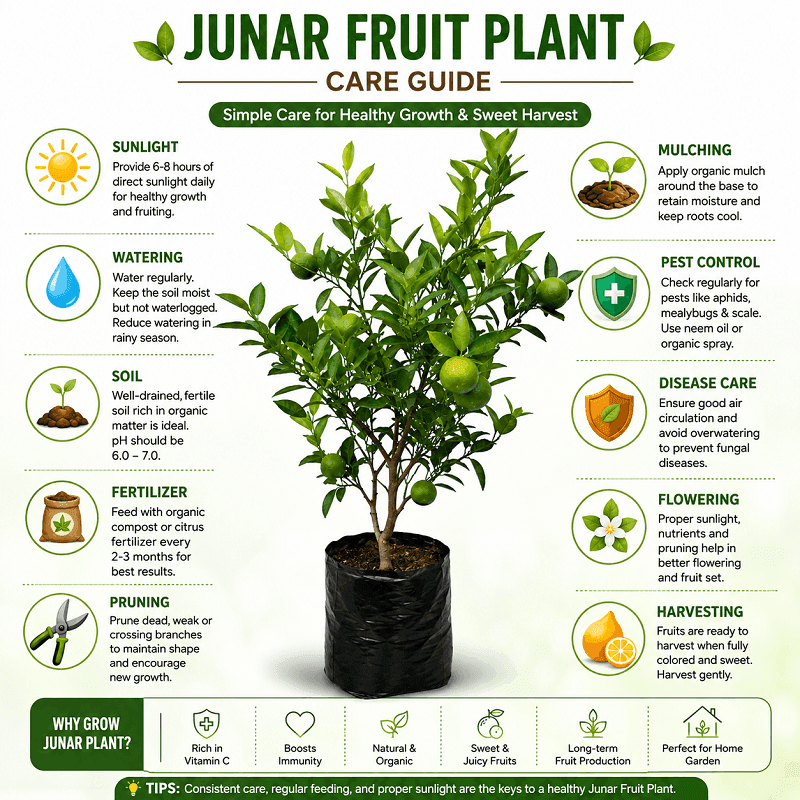
Healthy roots are the foundation of a productive Junar Fruit Plant. For best growth:
- Use fertile, loamy soil rich in organic matter.
- Ensure excellent drainage to prevent waterlogging.
- Maintain a slightly acidic to neutral soil pH (around 6.0–7.0).
- Incorporate well-decomposed compost before planting to improve soil fertility and structure.
Proper soil preparation encourages vigorous root development, better nutrient uptake, and abundant fruit production.
Sunlight Requirements
The Junar Fruit Plant thrives in full sun and requires approximately 6–8 hours of direct sunlight each day.
Adequate sunlight helps:
- Promote strong vegetative growth.
- Enhance flowering and fruit set.
- Improve fruit sweetness and color.
- Reduce the risk of fungal diseases by keeping foliage dry.
Choose an open location where the tree can receive consistent sunlight throughout the day.
Why Plant Lovers Choose the Junar Fruit Plant
Plant enthusiasts appreciate the Junar Fruit Plant because it combines beauty, productivity, and practicality. From fragrant blossoms in spring to vibrant fruits in the harvest season, this citrus tree offers year-round interest.
Whether you are an urban gardener with a terrace or a homeowner with a spacious backyard, the Junar Fruit Plant is a rewarding addition that brings freshness, nutrition, and natural beauty to your outdoor space.
5. Supports Heart Health
One of the most appreciated advantages of the Junar Fruit Plant is the nutritious fruit it produces. Fresh Junar contains natural antioxidants, dietary fiber, potassium, and vitamin C, making it a wonderful addition to a balanced diet. Potassium helps maintain normal blood pressure, while dietary fiber supports healthy cholesterol levels when combined with an overall healthy lifestyle.
Enjoying freshly harvested Junar from your own garden is both satisfying and rewarding. Home-grown fruits are picked at peak ripeness, offering better flavor and freshness than fruits that have traveled long distances.
6. Encourages Pollinators in Your Garden
During the flowering season, the Junar Fruit Plant produces fragrant white blossoms that attract beneficial pollinators such as honeybees and butterflies.
These pollinators not only improve fruit production but also benefit nearby flowering plants, vegetables, and herbs. A garden filled with pollinator-friendly plants becomes healthier, more productive, and environmentally sustainable.
Adding a citrus tree is an excellent way to support local biodiversity while beautifying your outdoor space.
7. Pleasant Citrus Fragrance
The flowers of the Junar Fruit Plant release a naturally refreshing citrus fragrance that many gardeners love. The pleasant aroma creates a relaxing atmosphere around patios, balconies, terraces, and home gardens.
When the tree begins flowering, your garden becomes more vibrant and inviting, making it an enjoyable place to spend time with family and friends.
8. A Long-Term Investment for Gardeners
Unlike annual vegetables, the Junar Fruit Plant continues growing and producing fruit for many years with proper care.
Once established, a healthy tree offers:
- Annual harvests
- Increasing fruit production as it matures
- Attractive landscaping value
- Shade and greenery
- Higher overall garden value
This makes it one of the most rewarding fruit trees for homeowners and hobby gardeners.
9. Suitable for Organic Home Gardening
Many home gardeners prefer growing their own citrus fruits without excessive chemical inputs. The Junar Fruit Plant responds well to organic gardening practices, including compost, well-rotted manure, mulching, and proper watering.
Growing your own fruit gives you greater confidence in the quality and freshness of what you harvest for your family.
Complete Growing Guide for Junar Fruit Plant
Growing a healthy Junar Fruit Plant is relatively simple when basic care requirements are followed consistently.
Choosing the Right Planting Location
Select an area that receives at least 6–8 hours of direct sunlight daily. Avoid low-lying locations where water tends to collect after rainfall.
Provide sufficient spacing between trees to allow good airflow and healthy canopy development.
Ideal locations include:
- Home gardens
- Kitchen gardens
- Orchards
- Farm boundaries
- Rooftop gardens (large containers)
- Courtyards
How to Plant Junar Fruit Plant
Follow these simple planting steps:
Step 1
Dig a planting hole approximately twice the width of the root ball.
Step 2
Mix the excavated soil with:
- Organic compost
- Well-decomposed farmyard manure
- Cocopeat (optional)
- River sand if drainage is poor
Step 3
Place the plant upright, ensuring the graft union remains above soil level.
Step 4
Fill the hole gently and press the soil lightly around the roots.
Step 5
Water thoroughly immediately after planting.
Step 6
Apply organic mulch around the base while keeping it away from the trunk.
Watering Guide
Proper watering is essential, especially during the first year.
Newly Planted Trees
- Water 2–3 times each week depending on weather.
- Keep soil consistently moist but never waterlogged.
Established Trees
- Deep watering once every 5–7 days during dry periods.
- Reduce watering during the rainy season.
- Increase watering slightly during flowering and fruit development if conditions are very dry.
Always check soil moisture before watering.
Fertilizer Recommendations
A healthy feeding schedule keeps the Junar Fruit Plant vigorous and productive.
Recommended organic fertilizers include:
- Compost
- Vermicompost
- Well-rotted cow manure
- Bone meal
- Neem cake
- Mustard cake fertilizer
- Organic citrus fertilizer
Feed the tree every 2–3 months during the growing season and water well after application.
Mulching Benefits
Mulching offers several advantages:
- Conserves soil moisture
- Reduces weed growth
- Improves soil fertility over time
- Protects roots from temperature extremes
- Encourages beneficial soil organisms
Suitable mulch materials include:
- Dry leaves
- Straw
- Grass clippings
- Compost
- Coconut husk chips
Pruning Guide
Pruning helps maintain tree health and improves fruit production.
Remove:
- Dead branches
- Diseased wood
- Crossing branches
- Water sprouts
- Weak shoots
Light annual pruning after harvesting is usually sufficient.
Avoid excessive pruning, as it may reduce flowering in the following season.
Common Pests
Like many citrus species, the Junar Fruit Plant may occasionally experience pest problems.
Common pests include:
- Aphids
- Citrus leaf miners
- Mealybugs
- Scale insects
- Whiteflies
Regular inspection helps identify problems early.
Organic neem oil sprays and insecticidal soap are often effective management options.
Common Diseases
Good cultural practices greatly reduce disease risk.
Possible diseases include:
- Citrus canker
- Root rot
- Sooty mold
- Powdery mildew
- Gummosis
Prevention tips:
- Avoid overwatering.
- Improve drainage.
- Remove infected branches.
- Sterilize pruning tools.
- Maintain good airflow around the tree.
Flowering and Fruiting
A healthy Junar Fruit Plant produces beautiful white blossoms before developing fruit.
Flowering generally occurs after the tree has become well established. Fruit development depends on:
- Adequate sunlight
- Proper nutrition
- Pollination
- Consistent watering
- Seasonal temperatures
Patience is important, as young trees require time to mature before reaching full productivity.
Harvesting Junar
Harvest fruits only after they have developed full color and characteristic sweetness.
Use clean pruning shears or gently twist mature fruits from the branch to avoid damaging the tree.
Freshly harvested Junar can be enjoyed immediately or stored in a cool, dry place for several days.
Storage Tips
To maintain freshness:
- Store at cool room temperature for short-term use.
- Refrigerate for extended freshness.
- Avoid bruising the fruit during handling.
- Wash only before consumption.
Why Buy Your Junar Fruit Plant from Plant Nepal?
Plant Nepal is committed to supplying healthy, vigorous, and carefully selected fruit plants suitable for Nepal’s growing conditions.
When you order from Plant Nepal, you receive:
- Premium-quality nursery plants
- Healthy root systems
- Safe nationwide packaging
- Expert planting guidance
- Friendly customer support
- Consultation before and after purchase
- Reliable delivery across Nepal
Every plant is prepared with care so it reaches your home in excellent condition, ready for successful establishment.
Helpful Resources
Internal Links
- Fruit Plants: Exotic Fruit Plants Collection →
- Plant Care Blog → https://plantnepal.com/blog/
External Resources
- Royal Horticultural Society – Citrus Growing Advice: https://www.rhs.org.uk/
- University of California Integrated Pest Management – Citrus: https://ipm.ucanr.edu/
These trusted resources provide additional information on citrus cultivation, pruning, pest management, and long-term tree care.
Frequently Asked Questions (FAQs)
1. What is a Junar Fruit Plant?
The Junar Fruit Plant is a citrus fruit tree scientifically known as Citrus sinensis. It produces sweet, juicy fruits rich in vitamin C and is one of Nepal’s most popular citrus varieties.
2. Can I grow a Junar Fruit Plant in Kathmandu?
Yes. The Junar Fruit Plant can be successfully grown in Kathmandu and many other parts of Nepal, provided it receives at least 6–8 hours of direct sunlight, well-drained fertile soil, and proper care.
3. How long does it take for a Junar Fruit Plant to bear fruit?
A grafted Junar Fruit Plant generally begins producing fruit within 2–4 years, depending on growing conditions, plant health, and maintenance.
4. Does the Junar Fruit Plant require full sunlight?
Yes. For healthy growth, flowering, and fruit production, the Junar Fruit Plant should receive a minimum of 6–8 hours of direct sunlight every day.
5. Can the Junar Fruit Plant be grown in a large pot?
Yes. Young plants grow well in large containers with good drainage. As the tree matures, repotting or planting in the ground is recommended for optimum growth and fruit production.
6. How often should I water my Junar Fruit Plant?
Water regularly during the establishment period. Mature trees require deep watering when the topsoil becomes dry. Avoid excessive watering, as waterlogged soil can damage the roots.
7. Which fertilizer is best for the Junar Fruit Plant?
Organic compost, vermicompost, well-rotted manure, neem cake, and balanced citrus fertilizers are excellent choices for maintaining healthy growth and encouraging fruit production.
8. Is the Junar Fruit Plant suitable for beginners?
Absolutely. The Junar Fruit Plant is considered one of the easiest fruit trees to grow, making it ideal for beginners, hobby gardeners, and experienced orchard owners alike.
9. Do you deliver the Junar Fruit Plant outside Kathmandu?
Yes. Plant Nepal delivers healthy plants safely to all districts of Nepal using secure packaging designed to protect plants during transportation.
10. How is the plant packed for delivery?
Every Junar Fruit Plant is carefully inspected, watered, and professionally packed to minimize stress during shipping and ensure it reaches you in healthy condition.
Why Buy from Plant Nepal?
Choosing the right nursery is just as important as choosing the right plant. At Plant Nepal, we are passionate about helping every customer build a greener and healthier environment with premium-quality plants and expert guidance.
Our Promise
- Premium-quality nursery plants
- Healthy and vigorous root systems
- Genuine exotic and rare varieties
- Safe nationwide delivery
- Expert gardening consultation
- Affordable pricing
- Friendly customer support
- Carefully packed plants
- Trusted by plant lovers throughout Nepal
Whether you are creating your first home garden or expanding an orchard, our team is committed to helping your plants thrive.
Safe Delivery Across Nepal
Plant Nepal proudly delivers plants to customers throughout Nepal.
We use secure packaging techniques to help protect plants during transportation so they arrive healthy and ready for planting.
We deliver to:
- Kathmandu
- Lalitpur
- Bhaktapur
- Pokhara
- Chitwan
- Butwal
- Dharan
- Biratnagar
- Nepalgunj
- Dhangadhi
- Hetauda
- Janakpur
- All other districts of Nepal
No matter where you live, we work to ensure your Junar Fruit Plant reaches your doorstep safely.
Contact Plant Nepal
Plant Nepal
📍 Location: Basundhara, Kathmandu, Nepal
Google Maps: https://maps.app.goo.gl/Z2XSopEf1VeMGkMG6
📞 Phone / WhatsApp: +977 980-1695799
📧 Email: plantnepalofficial@gmail.com
🌐 Website: https://plantnepal.com
Follow Us
Facebook: https://www.facebook.com/PlantNepalOfficial/
TikTok: https://www.tiktok.com/@plant.nepal
X (Twitter): https://x.com/PlantNepal
Conclusion
The Junar Fruit Plant is much more than a fruit tree—it is an investment in health, sustainability, and the beauty of your garden. With its fragrant blossoms, lush evergreen foliage, delicious citrus fruits, and relatively easy maintenance, it is an excellent choice for home gardeners, hobbyists, and commercial growers alike.
Whether you dream of harvesting your own sweet Junar fruits, enhancing your landscape with an attractive evergreen tree, or starting a productive home orchard, this remarkable citrus plant is a rewarding addition to any garden.
At Plant Nepal, we are proud to offer carefully selected, healthy Junar Fruit Plant saplings that are ready to flourish in Nepal’s climate. Combined with our expert consultation and safe nationwide delivery, you can shop with confidence knowing you are receiving quality plants and reliable support.
Start your gardening journey today with Plant Nepal and enjoy the satisfaction of growing fresh, flavorful Junar fruits for years to come.


Reviews
There are no reviews yet.