
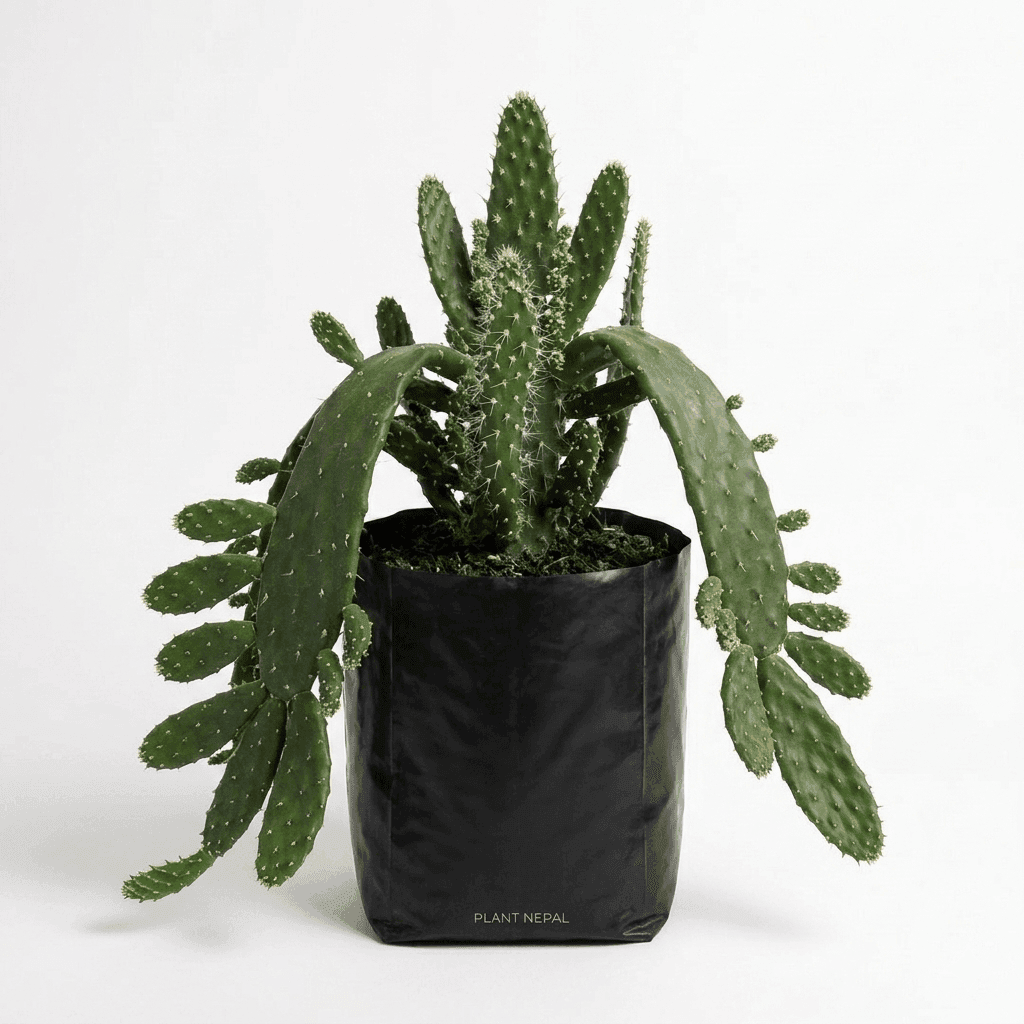
Description
Drooping Prickly Pear Cactus: 9 Incredible Benefits & Growing Secrets
Drooping Prickly Pear Cactus – A Rare Exotic Beauty for Every Plant Collection
Are you searching for a unique, low-maintenance, and eye-catching cactus to elevate your garden or indoor plant collection? The Drooping Prickly Pear Cactus (Opuntia monacantha) is one of the most fascinating cactus species available for plant enthusiasts and hobby gardeners. Known for its cascading growth habit, attractive paddle-shaped segments, drought tolerance, and striking ornamental appearance, the Drooping Prickly Pear Cactus has become increasingly popular among collectors of exotic and rare plants.
At Plant Nepal, we specialize in delivering premium-quality exotic plants across Nepal. Whether you are a beginner gardener, a cactus collector, or someone looking for a unique landscape plant, the Drooping Prickly Pear Cactus is an excellent choice that combines beauty, resilience, and ease of care.
What is Drooping Prickly Pear Cactus?
The Drooping Prickly Pear Cactus belongs to the genus Opuntia and is scientifically known as Opuntia monacantha. Native to South America, this cactus is admired for its flattened green pads and naturally drooping growth pattern that creates a dramatic cascading effect.
Unlike many upright cactus species, the Drooping Prickly Pear Cactus develops long hanging branches that make it ideal for:
- Decorative pots
- Hanging gardens
- Balcony landscapes
- Rooftop gardens
- Desert-themed landscapes
- Rare plant collections
Its unusual growth habit instantly attracts attention and makes it a conversation piece wherever it is displayed.
9 Incredible Benefits of Drooping Prickly Pear Cactus
1. Unique Cascading Growth Habit
One of the biggest advantages of the Drooping Prickly Pear Cactus is its naturally drooping structure. The hanging stems create a waterfall-like appearance that looks spectacular in decorative containers and elevated garden displays.
Few cactus species offer such an attractive architectural form.
2. Extremely Low Maintenance
Busy plant lovers appreciate the Drooping Prickly Pear Cactus because it requires minimal attention.
Benefits include:
- Infrequent watering
- Minimal fertilizer requirements
- Excellent drought resistance
- Easy adaptation to various environments
Even beginners can successfully grow this cactus.
3. Ideal for Nepal’s Climate
The Drooping Prickly Pear Cactus performs exceptionally well in many parts of Nepal.
It can tolerate:
- Hot summers
- Dry conditions
- Strong sunlight
- Occasional neglect
This adaptability makes it suitable for both urban and rural gardeners.
4. Excellent Ornamental Value
The unusual pad structure and graceful drooping habit provide year-round visual interest.
Whether placed:
- On terraces
- In balconies
- Near entrances
- Inside bright rooms
The Drooping Prickly Pear Cactus instantly enhances aesthetics.
5. Drought-Tolerant Plant
Water conservation is becoming increasingly important.
The Drooping Prickly Pear Cactus stores water inside its pads, enabling it to survive prolonged dry periods.
This makes it perfect for:
- Busy homeowners
- Vacation properties
- Water-conscious gardeners
6. Easy Propagation
One of the most exciting aspects of the Drooping Prickly Pear Cactus is how easily it can be propagated.
Simply:
- Remove a healthy pad.
- Allow it to dry for several days.
- Plant it in well-draining soil.
New roots typically develop within a few weeks.
7. Excellent Container Plant
The Drooping Prickly Pear Cactus thrives in pots.
Container cultivation allows:
- Easy movement
- Better drainage control
- Decorative arrangements
- Indoor protection during extreme weather
Its cascading growth looks especially beautiful in elevated pots.
8. Collector’s Favorite
Rare plant collectors highly value the Drooping Prickly Pear Cactus because of its uncommon growth habit and exotic appearance.
It stands out among:
- Succulents
- Desert plants
- Traditional cactus species
Collectors often seek this plant to diversify their collections.
9. Long Lifespan
With proper care, the Drooping Prickly Pear Cactus can live for many years.
As it matures, it becomes increasingly attractive, producing larger hanging branches and a more dramatic appearance.
This long-term beauty provides excellent value for plant lovers.
Origin and Natural Habitat
The Drooping Prickly Pear Cactus originates from regions of:
- Brazil
- Argentina
- Uruguay
- Paraguay
These regions experience:
- Warm temperatures
- Bright sunlight
- Well-draining soils
- Seasonal drought
Its adaptation to these conditions explains its toughness and resilience.
Why Plant Lovers in Nepal Love Drooping Prickly Pear Cactus
Nepal’s growing community of cactus enthusiasts appreciates the Drooping Prickly Pear Cactus for several reasons.
Unique Appearance
Unlike ordinary ornamental plants, it offers an exotic desert look.
Easy Care
Even those new to gardening can maintain it successfully.
Space Efficient
Suitable for:
- Apartments
- Rooftops
- Balconies
- Courtyards
Long-Term Growth
The plant continues developing beautiful hanging stems year after year.
How to Grow Drooping Prickly Pear Cactus Successfully
Light Requirements
The Drooping Prickly Pear Cactus loves bright sunlight.
Recommended:
- 6–8 hours direct sunlight
- South-facing windows
- Sunny balconies
- Rooftop gardens
Insufficient light can lead to weak growth.
Soil Requirements
Proper drainage is essential.
Recommended soil mix:
- 50% cactus mix
- 25% coarse sand
- 25% perlite or pumice
Avoid heavy clay soil.
For general cactus soil preparation tips, visit:
https://www.rhs.org.uk/plants/cacti-and-succulents
Watering Requirements
Overwatering is the biggest threat.
Water only when:
- Soil becomes completely dry
- Plant shows signs of dehydration
Typical schedule:
- Summer: Every 10–14 days
- Winter: Every 3–4 weeks
Fertilization
Apply cactus fertilizer:
- Once monthly during active growth
- Spring through summer
Avoid excessive nitrogen.
Common Problems and Solutions
Root Rot
Cause:
- Excess water
- Poor drainage
Solution:
- Improve drainage
- Reduce watering frequency
Sunburn
Cause:
- Sudden exposure to intense sunlight
Solution:
- Gradually acclimate plants
Pest Infestation
Possible pests include:
- Mealybugs
- Scale insects
Solution:
- Neem oil treatment
- Insecticidal soap
For additional cactus care guidance:
https://extension.arizona.edu
Landscaping Uses
The Drooping Prickly Pear Cactus works beautifully in:
- Rock gardens
- Desert landscapes
- Rooftop gardens
- Modern landscapes
- Patio displays
- Hanging cactus arrangements
Its sculptural form creates a stunning focal point.
Why Buy Drooping Prickly Pear Cactus from Plant Nepal?
Plant Nepal is dedicated to bringing the finest exotic and rare plants to plant lovers throughout Nepal.
Our advantages include:
✓ Premium quality plants
✓ Healthy root systems
✓ Carefully selected varieties
✓ Safe packaging
✓ Nationwide delivery
✓ Professional plant consultation
✓ Reliable customer support
✓ Affordable pricing
Explore more rare plants:
You may also like:
Our team ensures that every Drooping Prickly Pear Cactus is packed securely and delivered safely to your location anywhere in Nepal.
Complete Care Guide for Drooping Prickly Pear Cactus
Growing a Drooping Prickly Pear Cactus successfully is surprisingly easy when you understand its natural preferences. This remarkable cactus evolved in sunny, dry environments and thrives when provided with similar conditions. Whether you are a beginner or an experienced collector, following these care guidelines will help your plant flourish for years.
Temperature Requirements
The Drooping Prickly Pear Cactus prefers warm temperatures and grows actively during spring and summer.
Ideal temperature range:
- 18°C to 35°C
- Warm sunny conditions
- Good air circulation
During winter:
- Keep above 5°C
- Protect from frost
- Reduce watering significantly
In colder regions of Nepal, container-grown plants can easily be moved to protected locations during winter.
Humidity Requirements
Unlike tropical plants, the Drooping Prickly Pear Cactus prefers low humidity.
High humidity can contribute to:
- Fungal diseases
- Root problems
- Rotting pads
For best results:
- Place in airy locations
- Avoid overcrowding plants
- Ensure good ventilation
Pot Selection
Choosing the correct container plays a major role in plant health.
Recommended pots:
- Terracotta pots
- Clay containers
- Well-drained ceramic pots
- Decorative cactus planters
Ensure every container has drainage holes.
Because the Drooping Prickly Pear Cactus develops a cascading habit, elevated pots and plant stands create an especially attractive display.
Propagation Secrets of Drooping Prickly Pear Cactus
One reason collectors love the Drooping Prickly Pear Cactus is its easy propagation.
Propagation by Pads
This is the most common and successful method.
Step 1: Select a Healthy Pad
Choose:
- Mature pad
- Disease-free growth
- Firm green segment
Step 2: Remove Carefully
Use a sterilized knife to remove the pad cleanly.
Step 3: Allow Callusing
Place the cutting in a shaded area for:
- 5–10 days
This prevents infection and rot.
Step 4: Plant in Dry Soil
Use:
- Cactus mix
- Sandy soil
- Well-draining media
Step 5: Wait for Root Development
Roots generally appear within:
- 2–6 weeks
Once rooted, new growth begins quickly.
Seasonal Care Calendar
Spring
The growing season begins.
Tasks:
- Resume watering
- Start fertilization
- Repot if necessary
- Increase sunlight exposure
Summer
Peak growth period.
Tasks:
- Regular watering
- Monthly fertilizer
- Pest monitoring
- Propagation
Autumn
Growth gradually slows.
Tasks:
- Reduce fertilizer
- Decrease watering
- Inspect plant health
Winter
Dormancy period.
Tasks:
- Minimal watering
- Protection from frost
- Avoid repotting
- Maintain bright light
Following this seasonal schedule keeps your Drooping Prickly Pear Cactus healthy year-round.
Is Drooping Prickly Pear Cactus Suitable for Indoor Growing?
Absolutely.
The Drooping Prickly Pear Cactus performs well indoors when provided with sufficient light.
Best indoor locations:
- South-facing windows
- Bright balconies
- Sunrooms
- Glass-covered terraces
Indoor benefits include:
- Unique decoration
- Air of exotic beauty
- Low maintenance requirements
- Long-lasting ornamental appeal
However, remember that light is crucial. Without adequate sunlight, growth may become stretched and weak.
Decorative Ideas for Plant Lovers
The unusual form of the Drooping Prickly Pear Cactus opens endless design possibilities.
Modern Minimalist Displays
Place the cactus in:
- White ceramic pots
- Concrete planters
- Modern stands
The contrast creates a premium look.
Desert-Themed Gardens
Combine with:
- Agave
- Aloe
- Echeveria
- Haworthia
This creates a stunning xeriscape arrangement.
Balcony Decoration
A hanging or elevated Drooping Prickly Pear Cactus instantly transforms balconies into attractive green spaces.
Office Decoration
Because it requires little maintenance, it is perfect for:
- Offices
- Reception areas
- Commercial spaces
- Cafés
Frequently Asked Questions
Is Drooping Prickly Pear Cactus Rare?
Yes.
Compared to common cactus species, the Drooping Prickly Pear Cactus is considered relatively rare and highly desirable among collectors.
How Fast Does It Grow?
Growth rate depends on:
- Light levels
- Temperature
- Nutrition
- Pot size
Under ideal conditions, growth is moderate to fast.
Does It Flower?
Yes.
Mature plants can produce attractive flowers under favorable conditions.
Flowering depends on:
- Plant age
- Sunlight exposure
- Overall health
Is It Safe Around Pets?
The plant contains spines and glochids that can cause irritation.
Keep away from:
- Curious pets
- Small children
How Long Can It Live?
A properly maintained Drooping Prickly Pear Cactus can live for decades, becoming increasingly impressive with age.
Collector’s Guide: Why Opuntia Monacantha Is Highly Valued
Among exotic plant enthusiasts, Opuntia monacantha holds special significance.
Collectors appreciate:
- Unique drooping structure
- Rare appearance
- Easy maintenance
- Adaptability
- Impressive mature specimens
Unlike many rare plants that require advanced care, the Drooping Prickly Pear Cactus combines rarity with simplicity.
This makes it a perfect entry-level collector plant.
Environmental Benefits
Beyond beauty, the Drooping Prickly Pear Cactus offers environmental advantages.
Water Conservation
Its drought tolerance significantly reduces water consumption compared to many ornamental plants.
Long Lifespan
Because plants survive for many years, fewer replacements are needed.
Sustainable Gardening
The cactus fits perfectly into eco-friendly landscape designs focused on water efficiency.
Carbon Capture
Like all plants, the Drooping Prickly Pear Cactus contributes to carbon absorption and environmental improvement.
Perfect Gift for Plant Lovers
Searching for a unique gift?
The Drooping Prickly Pear Cactus makes an excellent present for:
- Plant collectors
- Gardeners
- New homeowners
- Office owners
- Nature enthusiasts
- Students
Its rare appearance and low-maintenance nature ensure long-term enjoyment.
Unlike flowers that fade quickly, this living gift can thrive for many years.
Safe Nationwide Delivery Across Nepal
At Plant Nepal, we understand how important safe plant transportation is.
Our specialized packaging process protects:
- Roots
- Pads
- Growing points
- Overall plant health
We proudly deliver the Drooping Prickly Pear Cactus throughout Nepal, including:
- Kathmandu
- Pokhara
- Chitwan
- Butwal
- Dharan
- Biratnagar
- Nepalgunj
- Dhangadhi
- Hetauda
- Janakpur
- And many other locations
Every plant is carefully packed to minimize stress during transit and maximize survival after delivery.
Why Plant Nepal Is Nepal’s Trusted Exotic Plant Store
Plant Nepal has become a trusted destination for plant lovers seeking rare and premium-quality plants.
We focus on:
- Exotic plants
- Rare plants
- Collector plants
- Fruit plants
- Medicinal plants
- Flowering plants
- Landscaping plants
- Gardening consultation
Our mission is to make high-quality plants accessible to hobby gardeners and collectors throughout Nepal.
Every Drooping Prickly Pear Cactus offered by Plant Nepal is selected for health, quality, and long-term performance.
Whether you are starting your first cactus collection or expanding an established garden, Plant Nepal is committed to helping you succeed.
Advanced Growing Secrets for Bigger and Healthier Plants
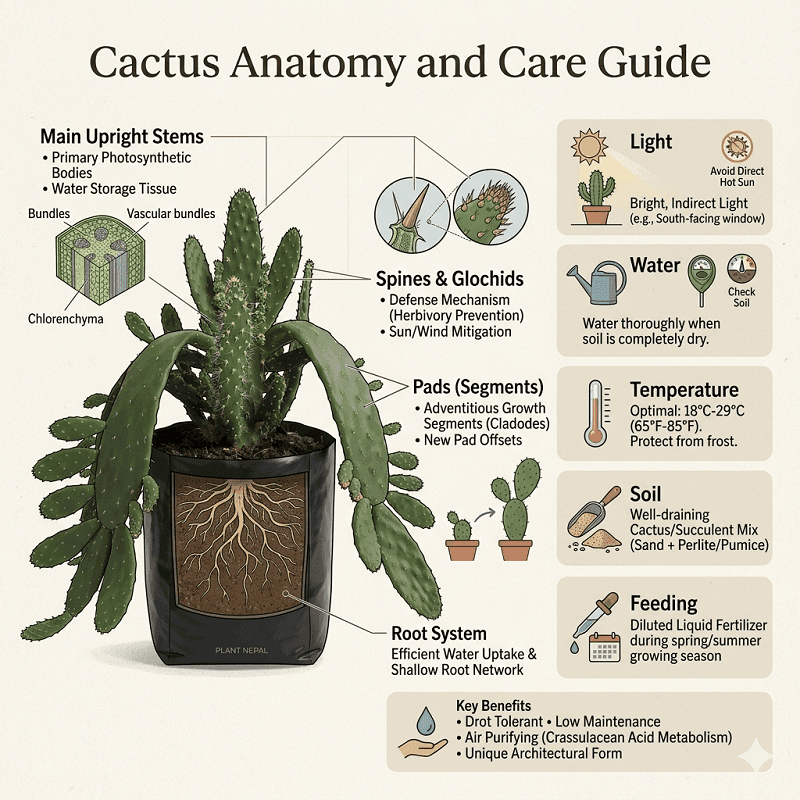
Many collectors wonder why some Drooping Prickly Pear Cactus specimens become exceptionally large and attractive while others remain small. The secret lies in optimizing growing conditions.
Secret #1: Maximum Sunlight
The Drooping Prickly Pear Cactus thrives in bright conditions. Plants receiving 6–8 hours of direct sunlight daily generally develop:
- Thicker pads
- Stronger stems
- Better color
- Faster growth
Gradually introduce plants to full sun to prevent scorching.
Secret #2: Avoid Overwatering
More cactus plants die from overwatering than underwatering.
Golden rule:
When in doubt, do not water.
Always check soil moisture before watering.
Secret #3: Use Fast-Draining Soil
Healthy roots equal healthy plants.
An ideal mix contains:
- Coarse sand
- Perlite
- Pumice
- Cactus soil
Good drainage prevents root diseases and encourages vigorous growth.
Secret #4: Repot Every Few Years
As your Drooping Prickly Pear Cactus grows, repotting provides:
- Fresh nutrients
- More root space
- Improved drainage
Repot every 2–3 years during spring.
Secret #5: Feed During Active Growth
Monthly feeding with a balanced cactus fertilizer during spring and summer can dramatically improve growth and pad production.
The Future Value of Rare Cactus Collections
Rare plants continue gaining popularity worldwide. Many hobby gardeners are now investing in unique and collectible species.
The Drooping Prickly Pear Cactus offers several advantages as a collector plant:
- Rare appearance
- Long lifespan
- Easy propagation
- Strong ornamental value
- Excellent adaptability
As your plant matures, it becomes increasingly impressive and valuable as part of a curated collection.
Customer Satisfaction and Plant Health Guarantee
At Plant Nepal, customer satisfaction is our priority.
Every Drooping Prickly Pear Cactus is:
✓ Carefully inspected
✓ Properly rooted
✓ Professionally packed
✓ Selected for quality
✓ Prepared for safe transportation
Our team is also available to provide ongoing guidance after purchase.
Whether you have questions about watering, sunlight, fertilization, repotting, or propagation, our plant experts are ready to assist.
Order Your Drooping Prickly Pear Cactus Today
If you are searching for a rare, exotic, easy-care cactus that delivers year-round beauty, the Drooping Prickly Pear Cactus is an outstanding choice.
Its cascading growth habit, drought tolerance, collector appeal, and striking appearance make it one of the most desirable cactus species available for Nepalese plant enthusiasts.
Plant Nepal proudly delivers healthy and premium-quality Drooping Prickly Pear Cactus plants throughout Nepal with secure packaging and expert support.
Add this fascinating cactus to your collection today and enjoy years of unique beauty and effortless care.
About Plant Nepal
Plant Nepal is Nepal’s trusted online destination for exotic, rare, and premium-quality plants. We specialize in sourcing and delivering unique plants that inspire gardeners, collectors, and nature lovers.
Why Choose Plant Nepal?
- Premium quality plants
- Expert consultation service
- Safe nationwide delivery
- Exotic and rare plant collection
- Affordable pricing
- Professional customer support
- Trusted by plant lovers across Nepal
Contact Plant Nepal
📍 Location: Basundhara, Kathmandu, Nepal
Google Map:
https://maps.app.goo.gl/Z2XSopEf1VeMGkMG6
📞 Phone: +977 980-1695799
📧 Email: plantnepalofficial@gmail.com
🌐 Website:
https://plantnepal.com
Follow Plant Nepal
Facebook:
https://www.facebook.com/PlantNepalOfficial/
TikTok:
https://www.tiktok.com/@plant.nepal
X (Twitter):
https://x.com/PlantNepal
Frequently Asked Questions (FAQ)
1. What is a Cochineal prickly pear Cactus?
The Drooping Prickly Pear Cactus (Opuntia monacantha) is an exotic cactus species known for its hanging growth habit, flattened pads, drought tolerance, and ornamental appeal.
2. Is Cochineal prickly pear Cactus easy to grow?
Yes. The Cochineal prickly pear Cactus is considered one of the easiest cactus species to maintain, making it suitable for beginners and experienced gardeners alike.
3. Can Cochineal prickly pear grow indoors?
Yes. It grows successfully indoors when placed in bright locations receiving sufficient sunlight.
4. How often should I water Drooping Prickly Pear Cactus?
Water only when the soil becomes completely dry. Overwatering should always be avoided.
5. Does Drooping Prickly Pear Cactus require fertilizer?
A cactus fertilizer applied once per month during spring and summer promotes healthy growth.
6. Is Drooping Prickly Pear Cactus suitable for Nepal?
Yes. The Prickly Pear Cactus adapts well to many regions of Nepal and performs particularly well in sunny locations.
7. Can I propagate Prickly Pear Cactus from cuttings?
Yes. Healthy pads can be removed, callused, and planted to produce new plants.
8. Does Plant Nepal deliver throughout Nepal?
Yes. Plant Nepal safely delivers plants to customers across Nepal using secure packaging methods.
9. Why should I buy Prickly Pear Cactus from Plant Nepal?
Plant Nepal provides premium-quality plants, expert consultation, safe delivery, and reliable customer support for plant lovers throughout Nepal.
Related Plants You May Also Like
Explore more unique plants from Plant Nepal:
- Rare Cactus Collection
- Exotic Succulents
- Agave Plants
- Aloe Varieties
- Collector’s Choice Plants
- Ornamental Desert Plants
- Hanging Succulent Plants
- Rare Imported Plants
The Drooping Prickly Pear Cactus is more than just a plant—it is a living work of art that brings character, resilience, and exotic beauty to any garden or indoor space. Whether you are a hobby gardener, serious collector, or first-time plant owner, this extraordinary cactus deserves a place in your collection.




Reviews
There are no reviews yet.